
Bilateral Idiopathic Carpal Tunnel Syndrome: A Case Report
Bilateral Idiopathic Carpal Tunnel Syndrome: A Case Report
Mohammed Alssir MohammedAhmed *1, Dr. Salem Alanbari 2, Dr. Mohamed Yousif 3
1. Orthopedic spine surgeon, Head of orthopedic department – Shabwa General Hospital Authority, Ataq, Yemen.
2. Consultant trauma and orthopaedic surgery, associated professor Shabwa University – faculty of Medicine.
3. Registrar trainee trauma and orthopaedic surgery – Sudan Medical Specialization Board.
*Correspondence to: Mohammed Alssir MohammedAhmed, Orthopedic spine surgeon, Head of orthopedic department – Shabwa General Hospital Authority, Ataq, Yemen
Copyright
© 2025 Mohammed Alssir MohammedAhmed is an open access article distributed under the Creative Commons Attribution License, which permits unrestricted use, distribution, and reproduction in any medium, provided the original work is properly cited.
Received: 30 Sep 2025
Published: 07 Oct 2025
Abstract
Background: Carpal tunnel syndrome (CTS) is the most common entrapment neuropathy of the upper extremity. While bilateral involvement is frequently observed, idiopathic bilateral CTS—defined as CTS without identifiable systemic, metabolic, or occupational risk factors—is relatively rare and underreported, especially in healthy male patients.
Case Presentation: We report the case of a 50-year-old male with no significant medical history who presented with bilateral hand pain, numbness, and paresthesia. Clinical examination revealed bilateral thenar muscle atrophy and positive Phalen’s, Tinel’s, and Durkan’s signs. A high CTS-6 score and electrodiagnostic studies confirmed severe bilateral CTS. Conservative treatment failed, and the patient underwent successful staged open carpal tunnel release, first on the right and then on the left. Follow-up at 12 weeks demonstrated complete resolution of symptoms and restored hand function.
Discussion: This case highlights a rare presentation of idiopathic bilateral CTS in a healthy middle-aged male without conventional risk factors. The diagnosis was supported by clinical signs, the CTS-6 score, and nerve conduction studies. Staged open decompression was selected to optimize recovery and daily function, resulting in excellent outcomes. Despite literature suggesting formal postoperative rehabilitation, our patient recovered fully with minimal physiotherapy, supporting recent findings on conservative post-op care. The case reinforces the role of timely surgical intervention in severe idiopathic CTS.
Conclusion: Idiopathic bilateral CTS should be considered in patients with classic median nerve symptoms, even in the absence of risk factors. Comprehensive evaluation and early staged surgical decompression offer excellent functional outcomes and symptom resolution.
Keywords: carpal tunnel syndrome; bilateral CTS; idiopathic CTS; carpal tunnel release; nerve decompression; median nerve; open surgery; staged surgery.
Bilateral Idiopathic Carpal Tunnel Syndrome: A Case Report
Introduction
Carpal tunnel syndrome (CTS) is the most common peripheral neuropathy of the upper limbs. Its incidence is higher in the 45- to 65-year age group, with a prevalence between 3.7 and 5.8%. Bilateral involvement occurs in approximately 70% of cases, depending on the type of work done by the individual. (1)
This syndrome affects three times more women than men, with prevalence between 30 and 40 years for women and between 60 and 80 years for men, with bilateral involvement in 60% of cases. (2)
CTS is related to constitutional factors and comorbidities. The main constitutional factors are advanced age, gender, high body mass index, menopause, and pregnancy. (3). Relevant clinical comorbidities are diabetes mellitus, hypothyroidism, obesity and rheumatoid arthritis (4). If a causative agent cannot be found, this syndrome is referred to as idiopathic (5).
The clinical condition is made up of pain, numbness (6), and tingling in the median nerve (MN) territory in the hand or arm, which can be associated with weakness and atrophy of the thenar muscles, causing loss in the hand strength (7).
The presence of sensory changes restricted to the distribution of the MN in the hand and Tinel and Phalen's signs are key findings in determining the clinical diagnosis (8).
Clinical treatment is encouraged in mild and moderate CTS (9). Surgical treatment is indicated in severe cases (10) the surgical approach can be done either by open surgery (OS) or by endoscopic surgery (ES) (11, 12). There are no statistical differences in postoperative outcomes between OS and ES procedures in literature (13 - 15).
Postoperative physiotherapy has been advocated in the literature for the rehabilitation process of the operated hand (16).
However, despite the high prevalence of bilateral CTS, there are controversies in literature on the use of postoperative therapies and their benefits, as well as a lack of common ground on the protocols to be established in postoperative rehabilitation (17).
This case highlights a rare presentation of bilateral idiopathic CTS in a male patient without known risk factors or comorbidities, successfully managed by staged open carpal tunnel release. The report underscores the importance of comprehensive clinical evaluation and the effectiveness of surgical intervention in severe idiopathic CTS cases.
Case Presentation
A 50-year-old male with no history of diabetes, hypertension, kidney or thyroid disorders presented to the orthopedic clinic at Shabwa General Hospital Authority complaining of bilateral radial hand pain, numbness, paresthesia, and tingling. There was no trauma history.
The patient weighed 58 kg and was 166 cm tall. On examination, bilateral thenar muscle atrophy was noted, more pronounced on the right. Durkan's test, Phalen’s test, and Tinel’s sign were all positive bilaterally. The CTS-6 evaluation score was 21.5 out of 26. No abnormalities were detected in other peripheral nerves.
Bilateral hand X-rays were unremarkable. Laboratory tests (CBC, renal profile, thyroid function, liver function, coagulation profile, fasting blood sugar, and HbA1C) were within normal limits. A nerve conduction study revealed severe bilateral CTS, with the right side more affected.
Figure 1: clinical picture demonstrates preoperative assessment, positive tunnel test.
Figure 2: intraoperative clinical picture demonstrates injection of local anesthesia (WALANT).
Figure 3: clinical picture showed pale skin after injecting local anesthesia (WALANT) due to vasoconstriction effect of epinephrine.
Figure 4: clinical picture showed completely healed incisions bilaterally at the 12-week follow-up from the initial surgery.
Intervention
Under Wide Awake Local Anasthesia No Tourniquet (WALANT) The patient underwent the right-sided open carpal tunnel release and median nerve decompression. Two weeks later, sutures were removed with no complications. Six weeks after the initial procedure, the left-sided carpal tunnel release was performed.
At the 12-week follow-up from the initial surgery, the patient reported complete resolution of symptoms, with healed incisions and restored bilateral hand grip strength.
Discussion
Carpal tunnel syndrome (CTS) is the most prevalent entrapment neuropathy of the upper extremity, with a multifactorial etiology involving mechanical, systemic, and occupational factors [1,4]. While bilateral CTS is frequently observed, especially in individuals with underlying comorbidities such as diabetes mellitus, hypothyroidism, or inflammatory arthritis, idiopathic bilateral CTS in otherwise healthy patients remains relatively underreported in the literature [2,4].
This case is clinically significant as it describes a middle-aged male with bilateral CTS in the absence of systemic disease, metabolic disorders, or occupational risk factors. The patient’s demographic and health profile deviate from the typical CTS population, which primarily comprises perimenopausal or postmenopausal females with metabolic or hormonal contributors [2,3]. The absence of comorbidities, normal laboratory values, and lack of occupational repetitive strain makes this a compelling idiopathic presentation [5].
Electrodiagnostic studies confirmed severe bilateral CTS, which reinforced the decision for surgical intervention. The CTS-6 diagnostic score, a validated clinical tool, provided additional support for the diagnosis and the need for surgery [8]. Although conservative measures are often the first line in mild-to-moderate cases, severe presentations, as in this patient, necessitate prompt surgical decompression to prevent permanent nerve damage [9,10].
The staged open carpal tunnel release allowed for functional recovery of the dominant hand prior to operating on the contralateral side, minimizing postoperative disability and ensuring the patient's ability to perform basic tasks during recovery. Literature suggests both open and endoscopic methods are effective, but the choice often depends on surgeon expertise, facility availability, and case complexity [11–13]. In this case, the open technique provided excellent visualization and decompression, with no reported complications.
The role of postoperative rehabilitation remains debated. While structured physiotherapy may benefit some patients [16], others may achieve satisfactory outcomes with basic home exercises and activity modifications [17]. Our patient reported complete symptom resolution and functional recovery without formal physiotherapy, aligning with emerging evidence that mild, unsupervised rehabilitation can suffice in straightforward surgical cases.
This case contributes to the growing body of literature supporting early recognition and timely surgical intervention in idiopathic CTS. It also emphasizes the need for clinicians to maintain a high index of suspicion even in patients without classical risk factors. The excellent postoperative outcomes underscore the effectiveness of surgical management in restoring function and relieving symptoms [10,14].
Conclusion
Idiopathic bilateral carpal tunnel syndrome, while commonly assumed to be associated with systemic or occupational factors, can present in otherwise healthy individuals. This case exemplifies the importance of comprehensive clinical and electrophysiological evaluation in establishing the diagnosis, even in atypical demographics.
Staged open carpal tunnel release remains a reliable and effective approach in managing severe bilateral CTS, particularly when comorbidities are absent and conservative measures fail. Surgeons should consider individual patient profiles when planning surgical interventions and postoperative rehabilitation.
This report not only underscores the therapeutic success of staged surgical decompression in idiopathic bilateral CTS but also encourages clinicians to be vigilant in evaluating hand neuropathies regardless of the presence of traditional risk factors. Further studies are warranted to better characterize the idiopathic variant of CTS and to optimize postoperative rehabilitation strategies.
Informed Consent: Written informed consent was obtained from the patient for publication of this case report.
Ethical Approval: This case report was conducted in accordance with the ethical standards of the institutional and national research committee.
Conflict of Interest: The authors declare no conflicts of interest regarding the publication of this case report.
Funding: No external funding was received for the preparation or submission of this manuscript.
Authors Contributions: Dr. Mohammed Alssir and co-authors were responsible for the patient’s clinical care, data collection, analysis, and manuscript preparation. The authors read and approved the final version of the manuscript.
References
1. Georgeto SM, Picharski GL, Andraus RA, da Silva RA, Ngomo S, Fernandes KB. Outcomes of bilateral carpal tunnel syndrome treatment–A systematic review and meta-analysis. Journal of Plastic, Reconstructive & Aesthetic Surgery. 2022 Sep 1;75(9):3250-9.
2. Tadjerbashi K, Åkesson A, Atroshi I. Incidence of referred carpal tunnel syndrome and carpal tunnel release surgery in the general population: increase over time and regional variations. Journal of Orthopaedic Surgery. 2019 Feb 4;27(1):2309499019825572.
3. Cazares-Manríquez MA, Wilson CC, Vardasca R, García-Alcaraz JL, Olguín-Tiznado JE, López-Barreras JA, García-Rivera BR. A review of carpal tunnel syndrome and its association with age, body mass index, cardiovascular risk factors, hand dominance, and sex. Applied Sciences. 2020 May 18;10(10):3488.
4. Saint-Lary O, Rébois A, Mediouni Z, Descatha A. Carpal tunnel syndrome: primary care and occupational factors. Frontiers in medicine. 2015 May 5;2:28.
5. Ghasemi-Rad M, Nosair E, Vegh A, Mohammadi A, Akkad A, Lesha E, Mohammadi MH, Sayed D, Davarian A, Maleki-Miyandoab T, Hasan A. A handy review of carpal tunnel syndrome: From anatomy to diagnosis and treatment. World journal of radiology. 2014 Jun 6;6(6):284.
6. Okkesim CE, Serbest S, Tiftikçi U, Çirpar M. Prospective evaluation of preoperative and postoperative sleep quality in carpal tunnel release. Journal of Hand Surgery (European Volume). 2019 Mar;44(3):278-82.
7. Burton CL, Chen Y, Chesterton LS, Van Der Windt DA. Trends in the prevalence, incidence and surgical management of carpal tunnel syndrome between 1993 and 2013: an observational analysis of UK primary care records. BMJ open. 2018 Jun 1;8(6):e020166.
8. Burton CL, Chesterton LS, Chen Y, van der Windt DA. Clinical course and prognostic factors in conservatively managed carpal tunnel syndrome: a systematic review. Archives of physical medicine and rehabilitation. 2016 May 1;97(5):836-52.
9. Huisstede BM, Fridén J, Coert JH, Hoogvliet P, European HANDGUIDE Group. Carpal tunnel syndrome: hand surgeons, hand therapists, and physical medicine and rehabilitation physicians agree on a multidisciplinary treatment guideline—results from the European HANDGUIDE Study. Archives of physical medicine and rehabilitation. 2014 Dec 1;95(12):2253-63.
10. Cha SM, Shin HD, Ahn JS, Beom JW, Kim DY. Differences in the postoperative outcomes according to the primary treatment options chosen by patients with carpal tunnel syndrome: conservative versus operative treatment. Annals of plastic surgery. 2016 Jul 1;77(1):80-4.
11. Atroshi I, Hofer M, Larsson GU, Ornstein E, Johnsson R, Ranstam J. Open compared with 2-portal endoscopic carpal tunnel release: a 5-year follow-up of a randomized controlled trial. The Journal of hand surgery. 2009 Feb 1;34(2):266-72.
12. Tiftikci U, Serbest S. Is epineurectomy necessary in the surgical management of carpal tunnel syndrome?. Nigerian Journal of Clinical Practice. 2017;20(2):211-4.
13. Chen L, Duan X, Huang X, Lv J, Peng K, Xiang Z. Effectiveness and safety of endoscopic versus open carpal tunnel decompression. Archives of orthopaedic and trauma surgery. 2014 Apr;134:585-93.
14. Larsen MB, Sørensen AI, Crone KL, Weis T, Boeckstyns ME. Carpal tunnel release: a randomized comparison of three surgical methods. Journal of Hand Surgery (European Volume). 2013 Jul;38(6):646-50.
15. Vasiliadis HS, Georgoulas P, Shrier I, Salanti G, Scholten RJ. Endoscopic release for carpal tunnel syndrome. Cochrane Database of Systematic Reviews. 2014(1).
16. Provinciali L, Giattini A, Splendiani G, Logullo F. Usefulness of hand rehabilitation after carpal tunnel surgery. Muscle & Nerve: Official Journal of the American Association of Electrodiagnostic Medicine. 2000 Feb;23(2):211-6.
17. Cantero-Téllez R, Orza SG, Villafane JH, Medina-Porqueres I. Tendencias en el abordaje posquirúrgico del síndrome del túnel del carpo. Práctica clínica actual. Reumatología Clínica. 2020 Sep 1;16(5):353-5.
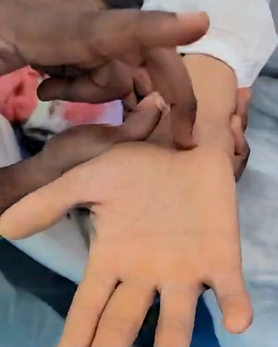
Figure 1
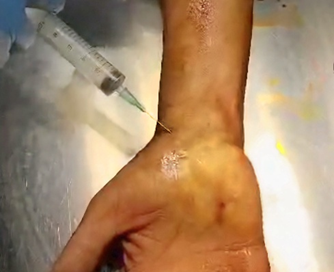
Figure 2
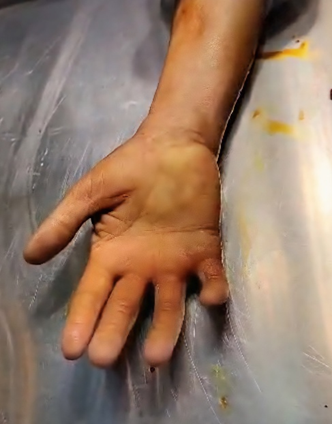
Figure 3
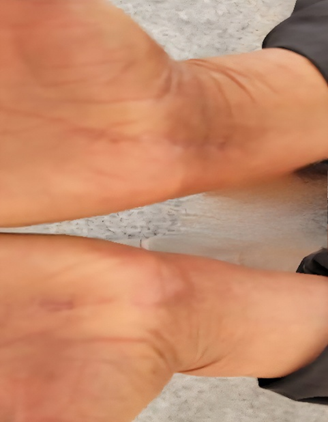
Figure 4