
Nutrition Assessment and its Impact on Nutritional Status in CKD Patients Using SGA
Nutrition Assessment and its Impact on Nutritional Status in CKD Patients Using SGA
Ankith Kumar Nishad ¹, Monika N ¹, Akhash SS 1, Dr Bhavna S 2, Punith D.B *2
- Dept of Food Technology, Ramaiah University of Applied Science Bangalore 560054.
- Department of Allied Health Science, Ramaiah University of Applied Science Bangalore 560054.
*Correspondence to: Punith D.B. Department of Allied Health Science, Ramaiah University of Applied Science Bangalore 560054.
Copyright
© 2025 Punith D.B. This is an open access article distributed under the Creative Commons Attribution License, which permits unrestricted use, distribution, and reproduction in any medium, provided the original work is properly cited.
Received: 23 October 2025
Published: 05 November 2025
Abstract
Background: Malnutrition is a common and serious issue in patients with chronic kidney disease (CKD), negatively impacting their clinical result.
Objective: This study aimed to assess the prevalence and identify the malnutrition in CKD patients using subjective global assessment (SGA).
Methods: A cross-sectional study was conducted among CKD patients utilizing the Subjective Global Assessment (SGA) method to evaluate nutritional status. Additional parameter includes Dry body weight. Biochemical method (Sodium, Potassium, Calcium, phosphorus, hemoglobin) and Anthropometric method to identify muscle mass loss.
Result: The sample consisted of 54 patients 28 men and 25 women with mean average of both men and women age 45.8 years. Mean SGA score was 5.5 falling within the moderate-mildly malnourished category based on the 7-point SGA. There were no severely malnourished patients in this study based on overall SGA rating.
Conclusion: This suggests that while malnutrition is present to a moderate degree in this patient population, severe malnutrition is not evident. These finding highlight the need for targeted nutrition intervention to address mild to moderate malnutrition and prevent progression to severe malnutrition in this group.
Keywords: Malnutrition, Chronic kidney disease, Nutritional assessment, Subjective global assessment (SGA).
Nutrition Assessment and its Impact on Nutritional Status in CKD Patients Using SGA
Introduction
The nutritional condition of patients with chronic kidney disease (CKD), both at the start of dialysis treatment and during ongoing dialysis, plays a crucial role in influencing morbidity and mortality linked to the disease. Evaluating the nutritional status of patients with CKD is a vital component of their overall care, especially for those undergoing haemodialysis (HD) or peritoneal dialysis (PD). Research has demonstrated that between 18% and 80% of dialysis patients experience some level of nutritional deficiency.[1]
Chronic kidney disease (CKD)is a rapidly rising global health burden, with increasing prevalence and mortality over the last decades. As of 2017, it was estimated that approximately 700 million people worldwide were living with CKD, accounting for approximately 9.1% of the global population, making it the 12th leading cause of death globally at that time. More recent estimated suggest the total number of people affected by kidney disease-including those with acute kidney injury (AKI) and kidney failure-may be as high as 850 million, particularly as many cases remain undiagnosed especially in low -and middle-income countries.[2] Early detection and timely treatment are crucial for slowing the advancement of end-stage kidney disease improving patients’ quality of life and reducing healthcare costs.[3]
Nutritional management plays a vital role in treating CKD involving the restriction of protein, sodium, potassium, and phosphorus intake to help prevent complications and reduce the risk of cardiovascular events.[4]
Previous studies have shown that malnutrition is common among individuals with CKD. for example, Campbell et al. (2008) found that 18% of CKD patients were malnourished, as determined by the subjective global assessment (SGA). [5]
A study conducted in2014 reported that among 922 chronic kidney disease patients who were not on dialysis 11%were found to be malnourished.[6]
However, most research on the nutritional status of patients with CKD focuses on those undergoing hemodialysis or peritoneal dialysis. There is limited emphasis on evaluating nutrition in CKD patients who have not yet started dialysis even though malnutrition before the initiation of renal replacement therapy in end stage CKD can negatively impact treatment outcome.[7]
Therefore, this study sought to evaluate the alteration in the nutritional status of patients with CKD following the administration of nutritional intervention therapy.
Material and Methods
Study design:
This investigation utilized a cross-sectional design with data collected over a six-month period at a single center in the Ramaiah Memorial hospital in the department of dialysis.
Eligible participants were adults aged between 18 and 60 years who had been diagnosed with stage 5 chronic kidney disease and had been receiving maintenance hemodialysis three times per week for at least three months. Additionally, participants were required to have the capacity to complete study-related questionnaires appropriately. Individuals were excluded if they had been hospitalized within the previous week or within the 30days prior to enrollment, had an active infection or non-healing wounds, or had undergone any surgical or elective procedure within 30 days before enrollment. Patients with a history of any cardiac event within 30 days prior to enrollment, those under 18 years of age, pregnant or lactating women, individuals with significant cognitive impairment, those within three months postpartum and patients anticipated to undergo kidney transplantation in the near future were also excluded from the study.
SGA Nutritional Evolution
Subjective Global Assessment (SGA) was used to assess the nutritional status of 54 patients diagnosed with chronic kidney disease (CKD).[7]
The SGA is a validated clinical instrument for assessing nutritional status, including patients’ history (such as recent weight changes, changes in dietary intake, gastrointestinal upset, change in functional ability, and the metabolic effect of the primary disease). The SGA data were collected through structured interviews.
The SGA categorizes nutritional status as follows: Grade A indicate well-nourished, Grade B reflects mild to moderate malnutrition, and Grade C denotes severe malnutrition.
Tools and techniques:
Anthropometric data:
The patients’ height (measured in centimeters) and dry body weight (DBW, measured in kilograms) were recorded to calculate their body mass index (BMI).
Arm Circumference:
Arm circumference was measured on the arm without vascular access using a non-stretchable tape. The measurements were documented in centimeters.
Arm Mid Circumference:
The triceps skinfold (TS) was measured on the arm without vascular access, and the value was recorded in centimeters.
Biochemical data:
Sodium, potassium, calcium, phosphorus, and hemoglobin levels were retrieved from the medical records for a subset of patients (n=54).
Result
This study assessed the nutritional status of 54 adults with stage 5 chronic kidney disease (CKD) undergoing maintenance hemodialysis by using the Subjective Global Assessment (SGA) tool. The average mean SGA score among these patients was 5.5, which placed the majority in the mild-to-moderate malnutrition category. Notably, none of the participants were classified as severely malnourished according to the SGA criteria.
The predominance of mild-to-moderate malnutrition highlights a significant opportunity for early nutritional intervention, such as personalized dietary planning and consistent monitoring, to prevent the escalation to severe malnutrition. The findings demonstrate the effectiveness of the SGA tool in identifying different levels of malnutrition in patients with CKD.
The study concludes that regular nutritional assessment and prompt interventions are crucial for enhancing the quality of life and reducing mortality risks in patients with CKD. Since the research was cross-sectional, it does not establish a cause-and-effect relationship. Future longitudinal research should examine the effect of specific dietary intervention on the long-term progression of chronic kidney disease and patients’ survival rates.
An SGA score of 1-2 indicate severe malnutrition, 3-5 suggests mild to moderate malnutrition and 6-7 signifies well-nourished status.
The study includes 54 participants, comprising 29 men and 25 women, with an average age of 48.5 years across both genders. The mean Subjective Global Assessment (SGA) score was 5.5, indicating that the group was generally classified as moderately to mildly malnourished according to the 7-point SGA scale. Notably, none of the patients in this study were categorized as severely malnourished based on their overall SGA score.
Discussion
Patients with chronic kidney disease (CKD) naturally reduce their dietary protein intake as the disease progresses from stage 3 to stage 5, which leads to a decline in most nutritional indicators. Malnutrition was more pronounced in patients at stages 4 and 5 then in those at stage 3. Additionally, protein consumption further decreased in stage 5 patients. These results align closely with the findings of Ikizler and Hakim, who reported that the progression of renal failure is linked to a spontaneous reduction in protein intake, particularly when creatinine clearance falls below 25 mL/min, and that nutritional status deteriorates alongside decreases in both creatinine clearance and dietary protein intake.[8]
This cross-sectional study identified a significant presence of mild to moderate malnutrition among CKD patients, reflected by a mean Subjective Global Assessment (SGA) score of 5.5.
Therefore, no cases of severe malnutrition were observed, diverging from previous research that often reports higher severe malnutrition rates in advanced CKD populations.
This contrast may arise from variations in sample characteristics, such as different in disease stage distribution or early adaptation of nutritional management strategies in the studied group.
The SGA tool demonstrated clinical utility by effective detecting well nourished, mild to moderate malnutritional, and sever malnutritional.
Individual biochemical parameters, such as sodium, potassium, calcium and phosphorous, were not discussed in detail; their mention suggests a possible association with nutritional status that is worthy of further study. In the clinical setting the dominance of mild to moderate malnutrition indicates a key point for intervention via customized dietary regimens, micronutrient supplementation and frequent monitoring to prevent escalation to severe malnutrition, a state associated with poor outcome such as infection and delayed in CKD.
The high frequency of mild-to-moderate malnutrition identifies an intervention window of opportunity. Active measures, such as personalized dietary regimens, micronutrients supplementation, and regular monitoring, can forestall advance malnutrition in CKD.
Severe malnutrition, as per this web-based subjective global assessment tool (SGA), was found in 152(33.8%) patients, mild or moderate malnourished in 140(31.1%) patients, and well-nourished 158(35.1%) patients. Male patients were more negatively impacted by malnutritional (severe 91(20.2%) and mild/moderate 78(17.3%)) compared to female patients.[10]
In our study, the nutritional status in patients with stage 5 chronic kidney disease was evaluated using the Subjective Global Assessment, and it was established that 37% of patients (n=20) were well nourished, whereas the rest,63%(n=34), were mildly or moderately malnourished. Notably, none of the patients in this category were severely malnourished. This information
Indicates a high incidence of mild-to-moderate malnutrition among patients with advance CKD, underscoring the need for routine nutritional assessment in this group.
Conclusion
Nutritional status is a major determinant of outcomes in patients with chronic kidney disease (CKD), and its assessment and optimizing are essential to improve the quality of life and reduce mortality risk.
Regular follow-up of nutritional parameters and timely interventions play crucial role in reducing CKD progression. A multidisciplinary team approach with nephrologists, renal dietitians, and nurses is advocated to create customized nutrition plans according to individual patients’ requirements. Although this study points out these associations, its cross-sectional nature restricts casual inference. Future longitudinal studies must explore how tailored dietary interventions affect long -term disease courses and survival in the CKD population.
References
1. Mikolaševi? I, Orli? L, Vidrih S, et al Assessment of nutritional status in patients with chronic kidney disease on maintenance haemodialysis Acta Med Croat.
2. G. B. D. Chronic Kidney Disease Collaboration Global, regional, and national burden of chronic kidney disease, 1990-2017: a systematic analysis for the Global Burden of Disease Study 2017.
3. Therefore, early diagnosis and treatment are vital to slow the progression of the end-stage of kidney diseases, increase patients' quality of life, and decrease healthcare expenditure.
4. Brown TJ, Williams H, Mafrici\ B, Jackson HS, Johansson L, Willingham F, McIntosh A, MacLaughlin HL. Dietary interventions with dietitian involvement in adults with chronic kidney disease: A systematic review.
5. Campbell KL, Ash S, Davies PS, Bauer JD. Randomized controlled trial of nutritional counselling on body composition and dietary intake in severe CKD. Am J Kidney Dis.
6. Cuppari L, Meireles MS, Ramos CI, Kamimura MA. Subjective global assessment for the diagnosis of protein-energy wasting in non-dialysis -dependent chronic kidney disease patients.
7. Anderson CA, Nguyen HA, Rifkin DE. Nutrition Interventions in Chronic Kidney Disease. Med Clin North Am.
8. Yang JJ, Yuan K, Huang Y, Yu M, Huang X, Chen C, et al. Application of NRS 2002 and PG-SGA in patients with advanced gastric cancer undergoing chemotherapy.
9. Ikizler TA, Hakim RM. Nutrition in end-stage renal disease Kidney Int.
10. https://pmc.ncbi.nlm.nih.gov/articles/PMC10022301.
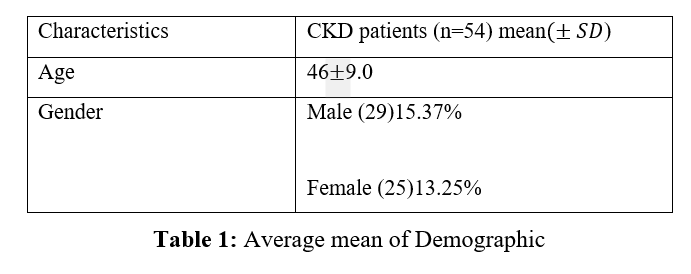
Figure 1
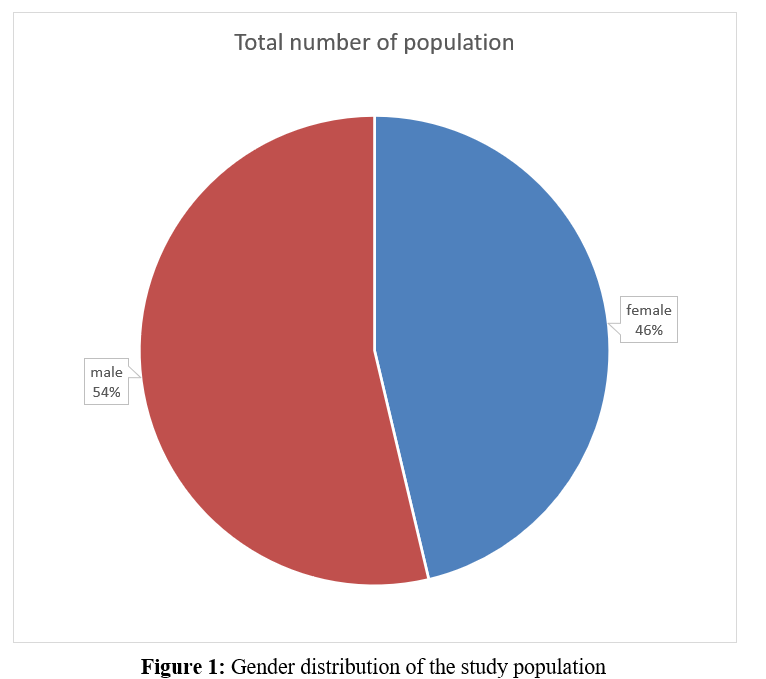
Figure 2
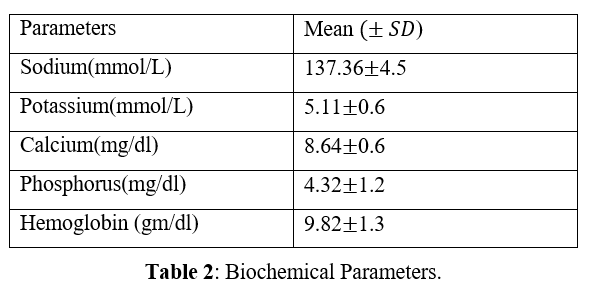
Figure 3
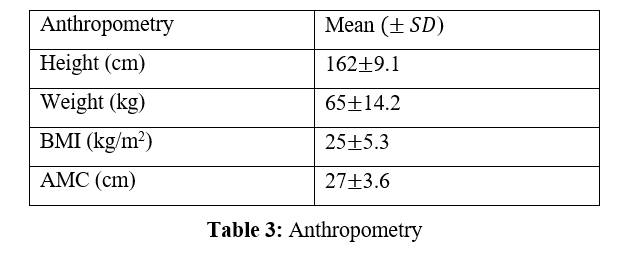
Figure 4
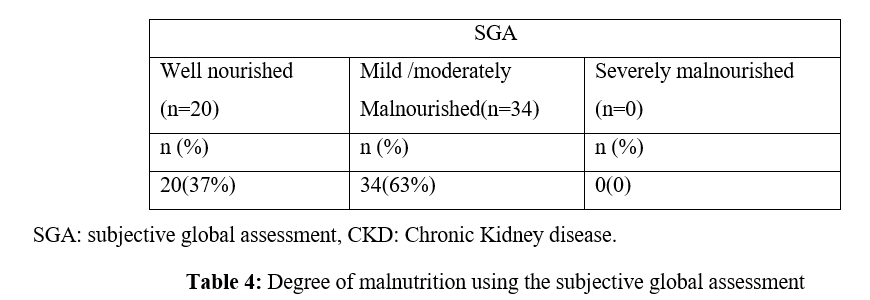
Figure 5
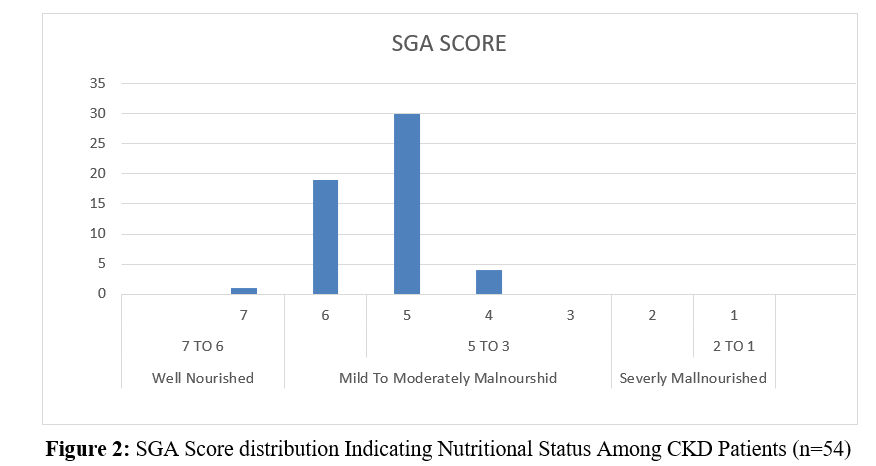
Figure 6