Influence of Sleep Time, Gadget Time, and Intelligence Quotient on Visual Memory
Influence of Sleep Time, Gadget Time, and Intelligence Quotient on Visual Memory
Uma Maheswari M 1. Maheswari Srinivasan 2. Hema Nivetha 3 GLVS Prasuna 3
1. Lecturer-Dr Agarwals Institute of Optometry.
2.Head of the department- Research and Innovations- Dr Agarwals Institute of Optometry.
3.BSc Optometry- Intern – Dr Agarwals Institute of Optometry.
*Correspondence to: Uma Maheswari M, Lecturer-Dr Agarwals Institute of Optometry, India.
Copyright
© 2024 Uma Maheswari M. This is an open access article distributed under the Creative Commons Attribution License, which permits unrestricted use, distribution, and reproduction in any medium, provided the original work is properly cited.
Received: 15 March 2024
Published: 02 May 2024
DOI: https://doi.org/10.5281/zenodo.11107908
Abstract
Purpose: This study aimed to investigate the impact of sleep duration and gadget usage on visual memory and also to explore the relationship between intelligence quotient and visual memory.
Methods: This cross-sectional observational study enrolled student volunteers from Dr Agarwal’s Institute of Optometry. Rey Osterreith Complex Figure (ROCF) test, a nonverbal neuropsychological tool was used to assess the participant’s visual memory (Copy, immediate, and delayed recall in real time, 3 and 30 minutes respectively).
Screen time of the participants was noted for one month from “Digital Wellbeing,” an Android phone feature, that tracks screen time and app usage. Sleep quality was measured using the Pittsburgh Sleep Quality Index (PSQI), a nineteen-item self-rated questionnaire Wonderlic Personnel Test –Q (WPT-Q) was used to assess the intelligence quotient (IQ).
Results: A total of 96 students (67 females and 29 males) aged between 18-21 years participated in the study. A chi-square test of independence revealed that there is no statistically significant relationship between immediate and delayed recall of visual memory and screen time with ?2 (4, N = 96) = 5.589, p = 0.232; ?2 (4, N = 96) = 2.138, p = 0.710 respectively. There was no statistically significant relationship between sleep and IQ with ?2 (4, N = 96) = 1.57, p = 0.813 and IQ, immediate and delayed recall with ?2 (4, N = 96) = 5.423, p = 0.247 and ?2 (4, N = 96) = 7.94, p = 0.094 respectively. Multiple linear regression showed that the variables were statistically significant with immediate recall, F (3, 92) = 3.578, p < .017, R2 = .104, and delayed recall with F (3, 92) = 3.806, p < .013, R2 = .110.
Conclusion: The study concluded that visual memory is influenced by a combination of factors including sleep quality, screen time, and IQ. Therefore, it is essential to reduce screen time and improve sleep quality to preserve visual memory.
Keywords: Visual memory, ROCF, IQ, Sleep time, Screen time.
Influence of Sleep Time, Gadget Time, and Intelligence Quotient on Visual Memory
Introduction
The ability to receive, recognize, analyze, and elaborate visual stimuli from objects and events is known as visual perception. Visual processing is a complex process that includes visual recognition, visual memory, visual-spatial orientation, and the perception of graphics. [1]Visual memory encompasses memory representations that maintain information about the perceptual properties of viewed stimuli, however, the format in which the information is encoded can vary from low-level imagistic representations to higher-level visual representations. [2]
Visual memory helps with recognizing faces and objects, as well as remembering spatial layouts and scenes, which are important for everyday tasks such as encoding, storing, and retrieving visual information. Visual memory is characterized by its extraordinary capacity and is often more efficient than other forms of memory. It can be stored as images or sequences of images, or recoded into verbal or categorical representations. The processes of visual perception and visual memory are closely interconnected, as visual memory recruits many of the brain areas involved in perception.[3]Visual memory has been subdivided into three main subsystems including visual sensory memory, visual short-term memory (VSTM), and long-term memory (LTM).[2]
Visual memory plays a crucial role in learning and memory retention. It has been observed that visual memory is resilient to changes in emotional state and can store information for prolonged durations.[4] Training in visual learning paradigms can lead to persistent improvement in performance over consecutive days.[4] Understanding how events are seen and remembered, and what visual information remains in memory traces, is still an open question in the field of psychology and neuroscience.[5]Studies have found a positive correlation between IQ and visual memory. For example, Rakhmanov and Dane found a strong positive correlation between IQ and short- and long-term visual memory in university students.[6]
A study on correlations among intelligence quotient (IQ), visual memory assessed by Rey Osterreith Complex Figure test (ROCF), and Grade Point Average (GPA) in university students concluded that for university students, short- and long-term visual memory is more predictive of GPA than full-scale IQ. [7]Sleep has been shown to improve memory consolidation, including visual memory. One study used the visualpaired association learning paradigm to investigate the role of sleep in memory consolidation. They found that a daytime nap improved the stability of recognition memory compared with wakefulness. [8]
A study on questionnaire-derived sleep habits and academic achievement in first-year university students by Driller et al, reported that there was a significant inverse relationship between average grades and bedtime, with students who went to bed earlier having higher academic grades during the first semester of university study, according to the research conducted on questionnaire-derived sleep habits and academic achievements in first-year university students.[9]The results of the meta-analysis performed to examine the memory problems in obstructive sleep apnea reported that there are significant deficits in immediate and delayed verbal and visuospatial memory as well as in immediate visual recall in individuals with obstructive sleep apnea.[10]
Sarah et al examined the effects of sleep restriction on visually guided force production and found that sleep restriction impaired visually guided force production, suggesting that visual attention tasks are more affected by sleep loss than memory-guided tasks.[11] Another study showed that sleep enhances the reconsolidation-based strengthening of episodic memories, including visual memory.[12]A study by Pratap V et al, to assess the impact of digital addiction and cognitive offloading on the prospective memory of young adults showed that the more the students were addicted to their digital devices and the more the students cognitively offloaded, the higher the decline in their prospective memory.[13]
A study on Malaysian young adults examines the relationship between digital technology overuse, digital amnesia, and productivity. Findings indicate a significant association between digital overuse and amnesia but not productivity. [14]McArthur et al investigated the association between screen time (≤1 vs 2 vs ≥3 hours/day) and child outcomes at 36 months. Compared to ≤1 hour/day, higher screen time is associated with increased behavioral problems, delayed developmental milestones, and poorer vocabulary acquisition, emphasizing the importance of adhering to screen time guidelines.[15]This study explored screen-time effects on preschool behavior using data from the Canadian CHILD study. Higher screen time (>2 hours/day) at ages three and five is linked to increased inattention and ADHD symptoms. [16]
A longitudinal study on screen time and working memory in adolescents by Pedro San Martin Soares et al. reported that in men, television and video game time at 11 years and computer at ages 11 and 15 years positively affected working memory. In addition, IQ mediated these effects. Screen-time measurements at ages 11, 15, and 18 in women did not significantly correlate with working memory. This study provides new insights into the relationship between television, video games, and computer time with working memory in adolescents, by exploring the paths of these associations and considering the important mediating role of IQ. [17]There is increased screen time in the modern world with smartphones, tablets, and computers leading to concerns about their potential impacts on mental health, cognitive development, and social relationships. There has been an increase in screen time after the COVID-19 pandemic.[18] [19] [20] [21]
Children and adolescents have shown higher screen times during the pandemic, with some experiencing behavioral problems such as peer problems and externalizing behaviors. The increased exposure to digital screens during the pandemic has had negative impacts on brain functions, sleep, physical activity, social relationships, and the psychological well-being of children.[19] Canadian adults also reported higher recreational screen time post-pandemic than pre-pandemic levels. [22]The use of digital devices and time spent in front of screens have increased because of lockdown measures. In higher education, the shift to online learning has led to excessive screen time for students and instructors. [21]
The aforementioned studies above did not collectively examine the combined influence of sleep duration and gadget usage on visual memory. Our study aimed to investigate the impact of both sleep duration and gadget usage on visual memory. In addition, we explored the relationship between intelligence quotient and visual memory.
Materials and Methods
Participants:
This cross-sectional observational study was conducted at Dr Agarwal's Institute of Optometry, Chennai, India, between 2022 and 2023, after obtaining approval from the institutional review board. Ninety-six students (67 females and 29 males) with 19.16 (±1.17) age years pursuing a bachelor's degree in optometry participated in the study.
Participants with a best-corrected distance visual acuity of 6/9 or better and near visual acuity of N6 in each eye, with no ocular or systemic diseases, were included in the study. Participants with neurological and psychological disorders, a history of head injury, and multiple gadget users (more than two) were excluded. All participants provided written informed consent to participate in this study.
Study design:
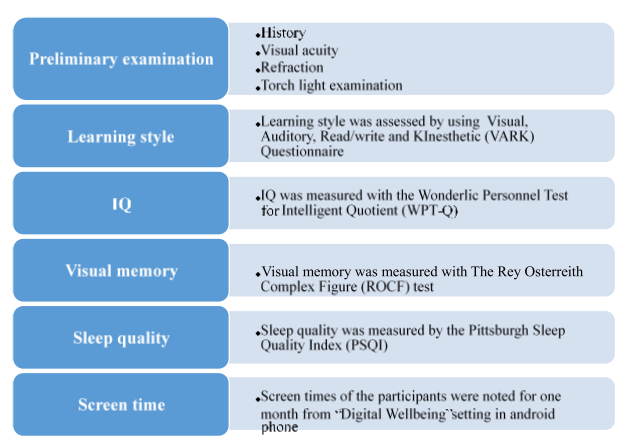
The independent variables were sleep quality, screen time, and intelligence quotient (IQ). Sleep quality was measured using the Pittsburgh Sleep Quality Index (PSQI), a nineteen-item self-rated questionnaire designed to measure sleep quality in clinical populations. It consists of items that generate seven component scores, including subjective sleep quality, sleep latency, sleep duration, habitual sleep efficiency, sleep disturbances, use of sleeping medication, and daytime dysfunction.[23]
Screen times of the participants were noted for one month from “Digital Wellbeing,” an Android phone feature, that tracks screen time and app usage. IQ was measured using the Wonderlic Personnel Test for Intelligent Quotient (WPT-Q), the eight-minute quick test consists of 30 questions, each earning one point. The scores ranged between 0 and 30. Number comparisons, serial studies of geometric forms, and logical and mathematical issues were among the items. No time extensions were granted.[7]
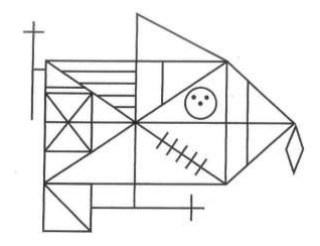
Visual memory was the dependent variable measured using The Rey Osterreith Complex Figure (ROCF) test. It is a non-verbal neuropsychological test used for the visual evaluation of visuospatial and visual memory. It includes three conditions: Copy, Immediate Recall, and Delayed Recall. Subjects replicated a complex figure, and recalled it immediately, and after a 30-minute delay. Scoring considers accuracy, location, and organization. Each condition takes 10 minutes; the completion time is around 30 minutes.[24]
Meyers et al. administered the Rey Osterreith Complex figure test in four different ways. According to his results, all the administrative types had similar results. For our study, we have chosen the following administrative procedures -copy, 3-minute recall, and 30-minute recall.[25]The accuracy of drawings is measured using a variety of scoring systems, all of which are currently subjectively implemented by hand. The order and accuracy in which the figure is copied and drawn from recall provide useful information concerning the location and extent of any damage.[26]
Figure 1: The Rey-Osterrieth Complex Figure
Image courtesy: Chamberlain, Rebecca. (2013). Drawing Conclusions: An Exploration of the Cognitive and Neuroscientific Foundations of Representational Drawing.
Procedure: A blank sheet of paper and an ROCF sheet were given to the participants, and they were instructed to copy the image on the ROCF sheet onto the blank paper. The allotted time for the copy trial was three minutes. Following the completion of the copy trial, the examiner collected the hand-drawn papers and the ROCF sheets. Based on the instructions, a break of 3 minutes was provided. After a break of 3 minutes, the participants were asked to recall the figure from their memory and draw it on a blank piece of paper. The time limit for drawing was 3 minutes again, once drawn, all figures were collected by the examiner. These drawings were used in the immediate recall (short-term visual memory) test. As suggested by Meyers et al., a break of 30 minutes was given after the immediate recall test. After a break of 30 minutes, the participants were asked to recall the figure again from memory and draw it on a blank sheet. These drawings were used as a delayed recall (long-term visual memory) test.
Scoring of ROCF test:
According to Rey’s scoring system, the ROCF stimulus consists of 18 sections each of which is scored based on accuracy, distortions, recognition, and placement. The total test score ranges from 0.0 to 36.0.[27]
Table 1: ROCF scoring. [27]
Additionally, the students' learning styles were assessed using the VARK Questionnaire. The VARK questionnaire is a short multiple-choice test with 16 questions that detect preferred learning styles: Visual (V), Auditory (A), Reading/Writing (R), and Kinaesthetic (K). In our study, the VARK questionnaire version 8.01 was used to assess the learning behavior of the students. [28]
Figure 2
Results
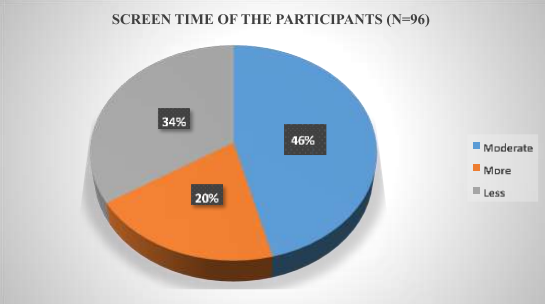
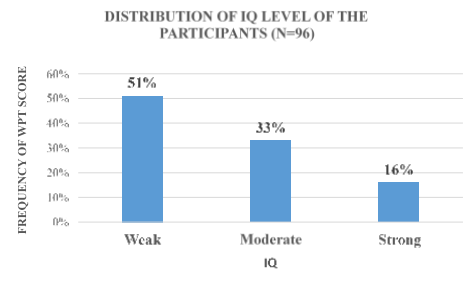
This study included 67 females and 29 males. The participants were divided into 3 groups based on the visual memory scores calculated from ROCF. The visual memory was categorized as poor, moderate, and good memory for the ROCF scores <70, 70 to 90, and >90 respectively. The screen time was divided into less, moderate, and high for screen time <4 hours, 4 to 5.5 hours, and >5.5 hours respectively. The screen time was noted from the smartphone settings. The sleeping level was divided into poor healthy and good sleep levels <5, between 5 to 10, and greater than 10 sleep scores derived from the PSQI sleep questionnaire. The IQ level was divided into less, moderate, and high for IQ scores <80, 80 to 90, and >90 respectively.
A chi-square test of independence was performed to examine the relationship between visual memory with screen time. We did not find a statistical significance with immediate recall ?2 (4, N = 96) = 5.589, p = 0.232; and delayed recall ?2 (4, N = 96) = 2.138, p = 0.710. A chi-square test with sleep and IQ showed no statistical significance with ?2 (4, N = 96) = 1.57, p = 0.813. IQ level and visual memory did not have a statistically significant relationship with ?2 (4, N = 96) = 5.423, p = 0.247 and ?2 (4, N = 96) = 7.94, p = 0.094 for immediate and delayed recall respectively.
Multiple linear regression was conducted to investigate the influence of screen time, IQ, and sleep on copy, and immediate and delayed recall of visual memory.
The variables statistically significantly did not predict the copy recall of visual memory with F (3, 92) = 1.150, p < .33, R2 =0.036. However, it was statistically significant with an immediate recall of visual memory with F (3, 92) = 3.578, p < .017, R2 = .104 and delayed recall of visual memory with F (3, 92) = 3.806, p < .013, R2 = .110.
|
|
Copy |
Immediate |
Delayed |
|
Sleep scores less than 5 |
35.36 |
28.11 |
27.50 |
|
Sleep scores between 5 and 10 |
35.41 |
28.01 |
27.05 |
|
Sleep scores above 10 |
35.33 |
29.16 |
29.33 |
Table 2: Average visual memory scores in participants with different scores of PSQI
|
|
Copy |
Immediate |
Delayed |
|
Visual learners |
35.36 |
27.75 |
27.09 |
|
Auditory learners |
35 |
28.97 |
28.75 |
|
Kinesthetic learners |
35.69 |
27.44 |
26.48 |
Table 3: Average visual memory scores of visual, auditory and kinesthetic learners
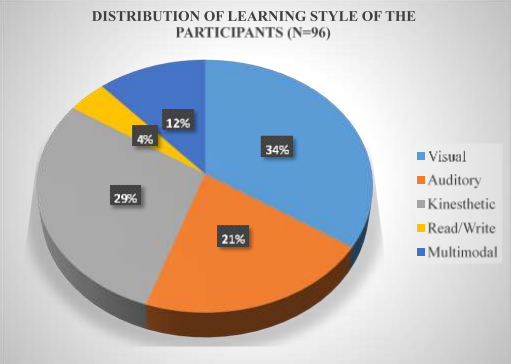
Figure 3: Figure representing the distribution of learning styles among the participants
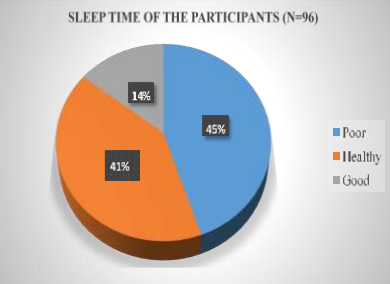
(Poor – 0-5, healthy – 5 -10, good- 10-21)
Figure 4: Figure representing the sleep time of the participants assessed by PSQI
Moderate=between 4 to 5.5 hours, More= more than 5.5 hours, Less=less than 4 hours
Figure 5: Figure representing the screen time of the participants
Weak= 0 - 80, Moderate= 80-95, Strong= ≥ 95.
Figure 6: Figure representing the distribution of WPT score of the participants
Discussion
This is the first study, to our knowledge, to examine the influence of both screen time and sleep time on visual memory. Concerning the association between sleep quality and visual memory, in our study we found that there is no significant difference in longterm (delayed recall), short-term (Immediate recall), and copy memory when compared with the sleep quality. Our study result suggests that sleep quality, screen time, and IQ, all these multiple factors together had an impact on visual memory but when considered as individual factors screen time, sleep quality, and IQ were not found to show a statistically significant difference in visual memory.
Research evidence reveals that chronic sensory stimulation through excessive exposure to screen time may affect brain development in negative ways increasing the risk of cognitive, behavioral, and emotional disorders in adolescents and young adults and also potentially increasing the risk of early-onset dementia in late adulthood.[29]
A study on mental imagery and visual working memory suggests that individuals with strong mental imagery may utilize it to aid performance in visual working memory tasks.[30] The findings of a study to measure children's mental imagery and screen time revealed that children who spent greater amounts of time using screen media showed a statistically significant lower performance on mental imagery accuracy. [31] The findings of these studies show the importance of mental imagery while performing visual memory tasks and also suggest that the decline in mental imagery with increased screen time may serve as a factor contributing to the decline in visual memory. Previous research works suggest that visual cues help an individual to retrieve better and remember information.[32]
The research outcomes on visual learning style make complete sense considering that the human brain is mainly an image processor and not a word processor. Also, only a small region of the brain is utilized to process words compared to the region of the brain that processes visual images. Many studies have also confirmed the power of visual imagery in learning. Visuals are also proven to engage students in the learning process stimulating creative thinking.[32] Based on the current study we may also suggest that visual learners can perform and learn better and retain more information by utilizing their visual memory capacity and remember better if a target is presented visually which can help in their academic and overall performance.
A study by Ochilbek Rakhmanov et.al reported that IQ is an influential factor in visual memory when considering academic performance.[7] But in the current study, we found that there is no correlation between visual memory and IQ. The strengths of this study are the prospective design and the use of a validated neuropsychological tool like ROCF to assess visual memory. Limitations include the subjective assessment of sleep quality. We also measured the screen time with the ‘digital well-being' setting on the Android phone. Further studies using a more objective measure of recording sleep quality and a more accurate device or software to measure screen time and a larger sample size involving students from various academic disciplines are required to assess the prolonged effects of screen time and sleep time on visual memory and also to offer more consistent results.
Conclusion
Multiple factors including screen duration, sleep time, IQ, and learning style were found to influence visual memory. It is essential to ensure that every individual gets enough sleep. Parents should also monitor their children's screen time to control and limit their gadget usage. Additionally, individuals of all ages should be made aware of the influence of screen time and sleep deprivation on memory and its role in the activities of daily living. The demands of modern living necessitate the use of gadgets, but minimizing screen time and taking breaks while using gadgets can help preserve visual memory.
References
1. Zhang, M., Jiao, J., Hu, X., Yang, P., Huang, Y., Situ, M., Guo, K., Cai, J., & Huang, Y. (2020). Exploring the spatial working memory and visual perception in children with autism spectrum disorder and the general population with high autism-like traits. PloS One, 15(7), e0235552. https://doi.org/10.1371/journal.pone.0235552
2. Luck, S. J., & Hollingworth, A. R. (2008). Visual memory. Oxford University Press.
3. Hajek, A. (2009). Visible Memories A conference held at the Department of Communication and Rhetorical Studies of Syracuse University (USA), 2—4 October 2008. Memory Studies, 2(2), 273–275.
https://doi.org/10.1177/1750698008102056
4. Zhao, C., Fukuda, K., Park, S., & Woodman, G. F. (2022). Even affective changes induced by the global health crisis are insufficient to perturb the hyper-stability of visual long-term memory. Cognitive Research: Principles and Implications, 7(1), 62. https://doi.org/10.1186/s41235-022-00417-2
5. Friedman, G. N., Johnson, L., & Williams, Z. M. (2018). Long-Term Visual Memory and Its Role in Learning Suppression. Frontiers in Psychology, 9, 1896. https://doi.org/10.3389/fpsyg.2018.01896
6. Aspanani, A., Sadeqhi, H., & Omid, A. (2023). The relationship between visual memory and spatial intelligence with students’ academic achievement in anatomy. BMC Medical Education, 23(1), 336.
https://doi.org/10.1186/s12909-023-04327-9
7. Rakhmanov O, Dane S. Correlations among IQ, visual memory assessed by ROCF test and GPA in university students. Journal of Research in Medical and Dental Science. 2020 May;8(3):1-5. (n.d.).
8. Schmidig, F. J., Geva-Sagiv, M., Falach, R., Yakim, S., Gat, Y., Sharon, O., Fried, I., & Nir, Y. (2024). A visual paired associate learning (vPAL) paradigm to study memory consolidation during sleep. Journal of Sleep Research, e14151. https://doi.org/10.1111/jsr.14151
9. Driller, M., Suppiah, H., Gastin, P. B., & Beaven, C. M. (2021). Questionnaire-Derived Sleep Habits and Academic Achievement in First Year University Students. Clocks & Sleep, 4(1), 1–7.
https://doi.org/10.3390/clockssleep4010001
10. Wallace, A., & Bucks, R. S. (2013). Memory and obstructive sleep apnea: A meta-analysis. Sleep,
36(2), 203–220. https://doi.org/10.5665/sleep.2374
11. Brinkerhoff, S. A., Mathew, G. M., Murrah, W. M., Chang, A.-M., Roper, J. A., & Neely, K. A. (2022). Sleep restriction impairs visually and memory-guided force control. PloS One, 17(9), e0274121.
https://doi.org/10.1371/journal.pone.0274121
12. Jones, B. J., Chen, M. E., Simoncini, L., & Spencer, R. M. C. (2022). Sleep enhances the reconsolidation-based strengthening of visuospatial memories. Scientific Reports, 12(1), 7307.
https://doi.org/10.1038/s41598-022-11135-6
13. Prathap, Veena and Singh, Swapnil. (2021). Impact of Digital Addiction and Cognitive Offloading on Prospective Memory of Young Adults. {Indian Journal of Health \& Wellbeing, 12.
14. Chiew, Ooi Yan and Lai, An Qi and Liew, Wen Xin. (n.d.). Digital technology overuse as a predictor of digital amnesia and productivity. Universiti Tunku Abdul Rahman.
15. McArthur, B. A., Tough, S., & Madigan, S. (2022). Screen time and developmental and behavioral outcomes for preschool children. Pediatric Research, 91(6), 1616–1621. https://doi.org/10.1038/s41390-021-01572-w
16. Tamana, S. K., Ezeugwu, V., Chikuma, J., Lefebvre, D. L., Azad, M. B., Moraes, T. J., Subbarao,
P., Becker, A. B., Turvey, S. E., Sears, M. R., Dick, B. D., Carson, V., Rasmussen, C., CHILD study Investigators, Pei, J., & Mandhane, P. J. (2019). Screen-time is associated with inattention problems in preschoolers: Results from the CHILD birth cohort study. PLOS ONE, 14(4), e0213995.
https://doi.org/10.1371/journal.pone.0213995
17. Soares, P. S. M., De Oliveira, P. D., Wehrmeister, F. C., Menezes, A. M. B., & Gonçalves, H.
(2021). Screen time and working memory in adolescents: A longitudinal study. Journal of Psychiatric Research, 137, 266–272. https://doi.org/10.1016/j.jpsychires.2021.02.066
18. Descarpentry, A., Melchior, M., Galera, C., Hazo, J.-B., Falissard, B., Warszawski, J., DavissePaturet, C., Rouquette, A., & EpiCoV Study Group. (2023). High screen time and internalizing and externalizing behaviors among children aged 3 to 14 years during the COVID-19 pandemic in France. European Child & Adolescent Psychiatry, 1–11. https://doi.org/10.1007/s00787-023-02241-5
19. De Oliveira Pinho Viana, L. B., Andrade Santos Do Egypto, I., & Nunes Alves De Sousa, M. (2023).
Impacts of increased time of exposure to digital screens in childhood during the COVID-19 pandemic. Revista CES Salud Pública y Epidemiología, 1(2), 99–114. https://doi.org/10.21615/cesspe.7172
20. Vukovi?, B., Živanovi?, S., Mastilo, B., & Ze?evi?, I. (2023). Screen time in children and adolescents during the COVID-19 pandemic. ????????????? ???????????, 14(1), 1–12.
https://doi.org/10.59137/BII202301304V
21. Abdullah, A. (2023). IDENTIFICATION OF EXCESSIVE SCREEN TIME IN LEARNING
MANAGEMENT SYSTEM DURING COVID-19 PANDEMIC. In Emerging Technologies During the Era of the Covid-19 Pandemic. PENERBIT UNIVERSITI MALAYSIA PAHANG. https://doi.org/10.15282/pandemic.2023.02
22. Liu, S., Coulter, R., Sui, W., Nuss, K., & Rhodes, R. E. (2023). Determinants of recreational screen time behavior following the COVID-19 pandemic among Canadian adults. Applied Physiology, Nutrition, and Metabolism, 48(8), 595–602. https://doi.org/10.1139/apnm-2022-0379
23. Buysse, D. J., Reynolds, C. F., Monk, T. H., Berman, S. R., & Kupfer, D. J. (1989). The Pittsburgh
Sleep Quality Index: A new instrument for psychiatric practice and research. Psychiatry Research,
28(2), 193–213. https://doi.org/10.1016/0165-1781(89)90047-4
24. Shin, M.-S., Park, S.-Y., Park, S.-R., Seol, S.-H., & Kwon, J. S. (2006). Clinical and empirical applications of the Rey–Osterrieth Complex Figure Test. Nature Protocols, 1(2), 892–899.
https://doi.org/10.1038/nprot.2006.115
25. Meyers, J. E., & Meyers, K. R. (1995). Rey complex figure test under four different administration procedures. The Clinical Neuropsychologist, 9(1), 63–67. https://doi.org/10.1080/13854049508402059
26. Canham, R. O., Smith, S. L., & Tyrrell, A. M. (2000). Automated scoring of a neuropsychological test: The Rey Osterrieth complex figure. Proceedings of the 26th Euromicro Conference. EUROMICRO 2000. Informatics: Inventing the Future, 2, 406–413. https://doi.org/10.1109/EURMIC.2000.874519
27. Meyers, J.E. & Meyers, K.R. (n.d.). Rey Complex Figure Test and Recognition Trial.
28. Metgud, D., Coutinho, S., Crasto, R., & D'Souza, C. (2021). Learning styles of 1st -year students studying in health science university in India: A cross-sectional study. Indian Journal of Physical Therapy and Research, 3(1), 30. https://doi.org/10.4103/ijptr.ijptr_5_20
29. Neophytou, E., Manwell, L. A., & Eikelboom, R. (2021). Effects of Excessive Screen Time on Neurodevelopment, Learning, Memory, Mental Health, and Neurodegeneration: A Scoping Review. International Journal of Mental Health and Addiction, 19(3), 724–744. https://doi.org/10.1007/s11469-
019-00182-2
30. Keogh, R., & Pearson, J. (2011). Mental Imagery and Visual Working Memory. PLoS ONE, 6(12), e29221. https://doi.org/10.1371/journal.pone.0029221
31. Suggate, S. P., & Martzog, P. (2020). Screen?time influences children’s mental imagery performance. Developmental Science, 23(6), e12978. https://doi.org/10.1111/desc.12978
32. Aisami, R. S. (2015). Learning Styles and Visual Literacy for Learning and Performance. Procedia - Social and Behavioral Sciences, 176, 538–545. https://doi.org/10.1016/j.sbspro.2015.01.508