
Hair Cloning and Regenerative Medicine: The Future of Hair Restoration
Hair Cloning and Regenerative Medicine: The Future of Hair Restoration
Riya Singhal *1; Arpita Jain2, Vinod Kumar S3
1) Riya Singhal, Deira International School.
2) Arpita Jain, Dermatologist, PMC, Dubai.
3) Vinod Kumar S, General Surgeon, PH, Dubai.
*Correspondence to: Riya Singhal, Deira International School.
Copyright
© 2025 Riya Singhal. This is an open access article distributed under the Creative Commons Attribution License, which permits unrestricted use, distribution, and reproduction in any medium, provided the original work is properly cited.
Received: 21 April 2025
Published: 02 May 2025
DOI:https://doi.org/10.5281/zenodo.15387830
ABSTRACT:
Hair loss is a prevalent concern affecting millions worldwide, often leading to significant psychological and emotional distress. While conventional treatments such as medications and surgical hair transplants have offered partial relief, they do not restore the original hair density nor prevent ongoing follicular miniaturization in untreated areas. Recent advances in regenerative medicine and hair cloning techniques offer a promising future in the field of hair restoration. This article comprehensively explores the science behind hair cloning, the role of stem cells and tissue engineering, and the current challenges and breakthroughs shaping this emerging domain.
Hair Cloning and Regenerative Medicine: The Future of Hair Restoration
Introduction
Hair loss, particularly androgenetic alopecia, is a widespread condition affecting both men and women. The global prevalence increases with age, and the psychological impact—ranging from decreased self-esteem to anxiety and depression—has elevated hair restoration to a key area in dermatological and cosmetic medicine. Conventional treatments include medications like minoxidil and finasteride, which slow hair loss progression but rarely result in significant regrowth. Surgical techniques such as follicular unit transplantation (FUT) and follicular unit extraction (FUE) remain gold standards but are limited by the finite donor hair supply and do not address progressive loss in non-transplanted areas.
As medical science advances toward personalized therapies, regenerative medicine and cellular therapies are poised to revolutionize hair restoration. Hair cloning, often used synonymously with follicular neogenesis or follicle regeneration, refers to the generation of new hair follicles from cultured cells derived from existing ones. Alongside tissue engineering, dermal papilla (DP) cell culturing, and stem cell applications, this strategy promises to overcome the limitations of donor hair dependency and may one day offer a permanent, scalable cure for hair loss.
Recent research focuses on understanding the hair follicle’s complex biology, including its cyclical regeneration pattern (anagen, catagen, telogen) and its interactions with the dermal environment. Through regenerative approaches, it may become possible not just to restore lost hair but to rejuvenate and sustain the scalp’s native capacity to produce healthy follicles. This paper delves into current scientific progress, clinical trials, the regulatory landscape, and future directions in the journey toward functional hair cloning and regenerative hair therapies.
The Science Behind Hair Cloning
Hair cloning is not traditional "cloning" in the sense of creating identical genetic copies of an organism. Rather, it refers to cell-based replication of hair follicle components that can induce the formation of new, viable hair follicles. The most studied cells in this context are dermal papilla (DP) cells and epithelial stem cells, both crucial to the formation and cycling of hair follicles.
Dermal papilla cells, located at the base of the follicle, play a key role in signaling epithelial stem cells to initiate folliculogenesis. These cells, when isolated and cultured under specific conditions, can potentially be multiplied and reintroduced into the scalp to stimulate the formation of new follicles. One of the earliest challenges was that DP cells, when cultured in standard 2D environments, quickly lose their inductive capability. Recent advances in 3D spheroid cultures, microenvironment replication, and scaffold technologies have improved their capacity to induce hair follicle formation when implanted.
Meanwhile, epidermal stem cells, located in the bulge region of hair follicles, are essential for follicle regeneration. When co-cultured with DP cells, they show promising results in preclinical models. The key lies in mimicking the epithelial-mesenchymal interactions that naturally occur during embryonic follicle development.
Figure 1: Structure of a Hair Follicle
Figure 2: Hair Cloning Process
Figure 3
Figure 4
Stem Cell Therapy in Hair Regeneration
Stem cell therapy represents a cornerstone of regenerative medicine in hair restoration. Unlike traditional transplants, where intact follicles are moved, stem cell therapy focuses on activating dormant follicles or creating new ones. Mesenchymal stem cells (MSCs), adipose-derived stem cells (ADSCs), and induced pluripotent stem cells (iPSCs) are at the forefront of this research.
Adipose-derived stem cells, abundant and easily harvested via liposuction, release a variety of growth factors such as vascular endothelial growth factor (VEGF) and insulin-like growth factor (IGF-1), which enhance angiogenesis and promote follicular health. These cells, when injected into the scalp, may improve blood flow, increase dermal thickness, and support follicular regeneration.
Induced pluripotent stem cells (iPSCs), generated by reprogramming adult cells to a pluripotent state, offer the most promise for hair cloning. They can be directed to differentiate into both epithelial and mesenchymal lineages, mimicking early follicle development stages. However, ethical concerns, tumorigenic risks, and regulatory challenges remain barriers to clinical application.
Stem cell therapies are already being explored in clinical trials, with early results suggesting improvements in hair density and scalp vascularity. However, longer-term studies are needed to assess sustained follicle regeneration and safety profiles.
Tissue Engineering and Scaffold Development
For hair cloning to be successful, it is not enough to inject cultured cells into the scalp. These cells must be supported by a biocompatible scaffold that mimics the natural extracellular matrix and provides the mechanical and chemical signals necessary for follicle development.
Tissue engineering combines biomaterials with living cells to construct miniaturized hair follicle units. Hydrogels, collagen matrices, and decellularized dermal scaffolds are being tested as platforms for DP cell implantation. These materials must allow cell migration, vascularization, and integration into native tissue, while avoiding immune reactions.
In some models, 3D-printed microenvironments have been used to create follicle-like structures that closely resemble natural skin architecture. When implanted into animal models, these structures have demonstrated hair growth potential, although translating this success into human trials remains a major hurdle.
Challenges and Limitations
Despite its promise, hair cloning and regenerative therapy face significant technical and regulatory challenges. One major issue is the loss of inductive properties in DP cells after extended culturing, leading to inconsistent or failed folliculogenesis. Another is the difficulty in achieving consistent, directional hair growth once follicles are formed—a crucial factor for cosmetic acceptability.
Immune rejection and fibrotic responses to implanted cells or scaffolds must also be addressed. Furthermore, the cost of cell culture, scaffold synthesis, and implantation makes the procedure expensive and currently inaccessible to most patients.
Regulatory bodies like the FDA and EMA classify these therapies under advanced medicinal products, requiring rigorous preclinical and clinical testing. Ethical concerns also arise, especially when embryonic stem cells are used or when patients are misled by unregulated clinics offering unproven "stem cell hair treatments."
Table 1: Comparison of Hair Restoration Techniques
|
Technique |
Donor Hair Limitation |
Scarring |
Scalability |
Clinical Availability |
|---|---|---|---|---|
|
Follicular Unit Transplantation (FUT) |
Yes |
Linear scar |
Low |
Widely available |
|
Follicular Unit Extraction (FUE) |
Yes |
Dot-like scars |
Low |
Widely available |
|
Stem Cell Therapy |
No |
Minimal |
High |
Experimental |
|
Hair Cloning |
No |
Minimal |
Very High |
Preclinical |
Table 2: Stem Cell Types in Hair Regeneration
|
Stem Cell Type |
Source |
Advantages |
Challenges |
|---|---|---|---|
|
Dermal Papilla Cells (DPCs) |
Hair follicle base |
Induce hair follicle formation |
Loss of inductive ability in culture |
|
Adipose-Derived Stem Cells (ADSCs) |
Fat tissue |
Abundant, promote angiogenesis |
Variable differentiation potential |
|
Induced Pluripotent Stem Cells (iPSCs) |
Reprogrammed adult cells |
Differentiate into any cell type |
Tumorigenicity, ethical concerns |
Current Clinical Trials and Research Highlights
Several companies and research institutions are actively working on hair cloning:
- RepliCel Life Sciences has been developing a cell-based therapy (RCH-01) using autologous dermal sheath cup cells to promote hair regrowth. Phase I trials showed safety and mild efficacy.
- HairClone, a UK-based company, is exploring follicle banking and DP cell culturing to rejuvenate miniaturized follicles. They aim to commercialize the first follicle-cell banking service to preserve cells for future cloning.
- In Japan, research by Dr. Takashi Tsuji has demonstrated complete follicle regeneration in mice using epithelial and mesenchymal cells with scaffolds. Plans for human trials have been delayed due to funding challenges.
Future Directions
The future of hair restoration lies in personalized regenerative therapy. Within the next decade, it may become possible to biobank a patient’s follicular cells, expand them ex vivo, and inject them back to regenerate a youthful scalp of dense hair. Artificial intelligence and 3D imaging may assist in mapping follicle distribution and guiding implantation patterns for natural results.
Furthermore, gene editing tools like CRISPR-Cas9 may eventually correct genetic triggers of androgenetic alopecia at the molecular level, preventing hair loss altogether. The integration of regenerative medicine with bioinformatics, nanotechnology, and immunomodulation is paving the way for a new era in aesthetic and restorative dermatology.
Conclusion
Hair cloning and regenerative medicine represent a paradigm shift in hair restoration. Moving beyond conventional grafting, these innovative approaches aim to biologically regenerate hair follicles, potentially offering a limitless supply and lifelong solution to hair loss. While clinical application remains in its early stages, advances in stem cell biology, tissue engineering, and cell signaling have set a promising foundation. With continued research, ethical oversight, and multidisciplinary collaboration, what once seemed like science fiction is steadily becoming a realistic and revolutionary treatment pathway for hair loss.
References
1. Li, K. N., Jain, P., He, C. H., Chae, F., Kang, E. S., & Tumbar, T. (2019). Skin vasculature and hair follicle cross-talking associated with stem cell activation and tissue homeostasis. eLife, 8, e45977. https://doi.org/10.7554/eLife.45977
2. Maleki, B. (2024). Advantages of hair multiplication, regenerative medicine and biotechnology. Journal of Hair Therapy & Transplantation, 14(2), 1–5. https://www.longdom.org/open-access-pdfs/advantages-of-hair-multiplication-regenerative-medicine-and-biotechnology.pdf
3. Nakazawa, Y., Satoh, T., Sato, S., Soma, T., Ideta, R., Ishii, Y., Niiyama, S., Tsuboi, R., & Kishimoto, J. (2016). Basic concepts and clinical application of regenerative medicine for hair loss using human cells and tissues. Regenerative Therapy, 6(1), 91–99. https://doi.org/10.14982/rsmp.6.91
4. Higgins, C. A., & Christiano, A. M. (2014). Regenerative medicine and hair loss: How hair follicle culture has advanced our understanding of hair growth and loss. Stem Cells Translational Medicine, 3(4), 437–442. https://doi.org/10.5966/sctm.2013-0193
5. Wikipedia contributors. (2025, March 15). Hair cloning. In Wikipedia, The Free Encyclopedia. Retrieved April 14, 2025, from https://en.wikipedia.org/wiki/Hair_cloning
6. Estheticland. (n.d.). Hair cloning: Regenerative medicine. Retrieved April 14, 2025, from https://estheticland.com/hair-cloning/
7. SpringerLink. (2024). Hair follicle cloning and stem cells. In Updates in Clinical Dermatology. https://link.springer.com/chapter/10.1007/978-3-031-74314-6_11
8. MDPI. (2022). Tissue engineering and regeneration of the human hair follicle in alopecia: Current approaches and future perspectives. Life, 12(1), 117. https://www.mdpi.com/2075-1729/12/1/117
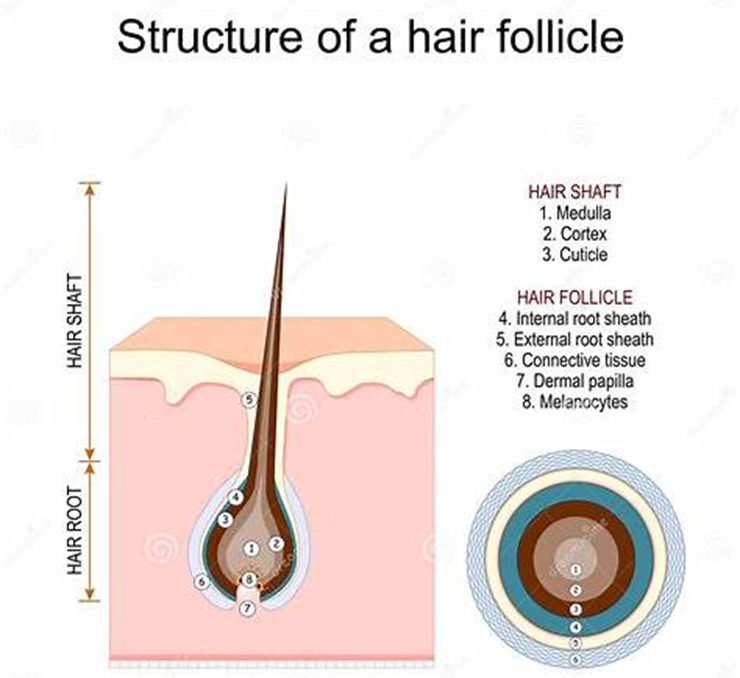
Figure 1
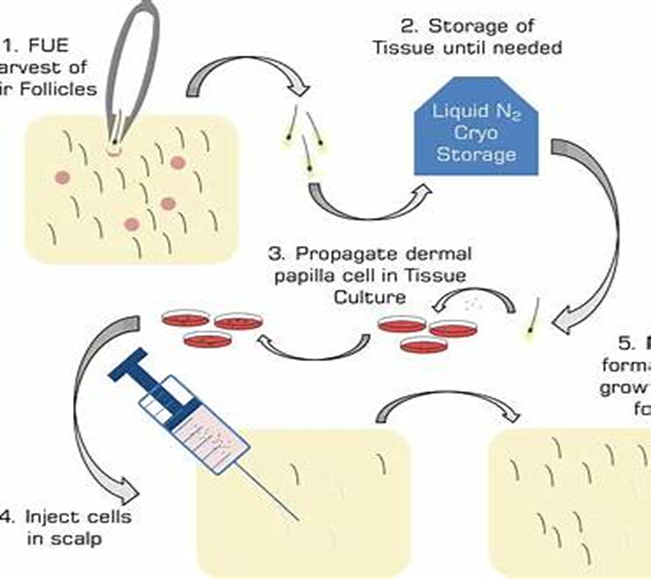
Figure 2
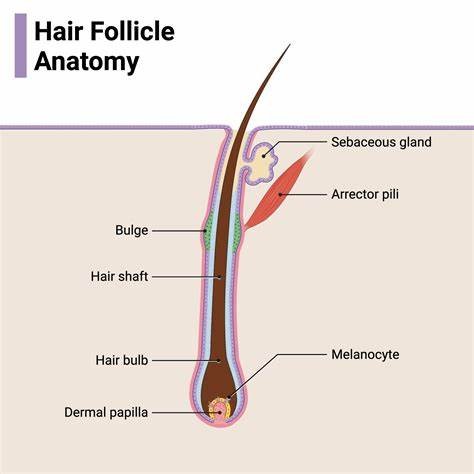
Figure 3
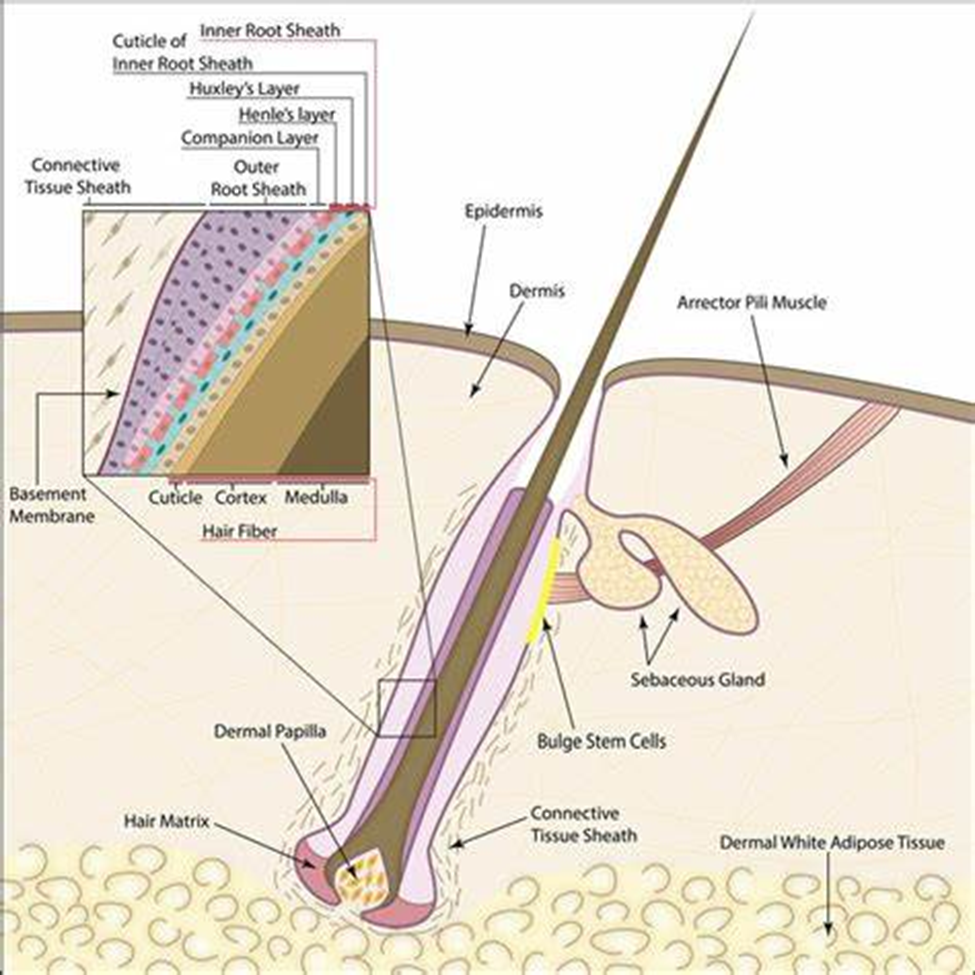
Figure 4