
Social Equality through National Policy and Inclusive Practices
Social Equality through National Policy and Inclusive Practices
Riya Singhal *
*Correspondence to: Riya Singhal, Deira International School.
Copyright.
© 2025 Riya Singhal This is an open access article distributed under the Creative Commons Attribution License, which permits unrestricted use, distribution, and reproduction in any medium, provided the original work is properly cited.
Received: 25 June 2025
Published: 01 July 2025
DOI:https://doi.org/10.5281/zenodo.15797900
Abstract
This review explores how countries across the globe are working to advance social equality through education access, gender parity, disability inclusion, and anti-discrimination legislation. It analyzes how international standards are adapted into localized strategies, with a focus on measurable outcomes, policy innovations, and ongoing societal challenges. The article emphasizes how nations can build inclusive societies by embedding equality into legal, economic, and educational systems.
Social Equality through National Policy and Inclusive Practices
Introduction
Social equality is the foundation of any just and cohesive society. It refers to the condition in which all individuals have the same status in various aspects of life, including civil rights, freedom of speech, property rights, and equal access to social goods and services such as education, healthcare, and employment opportunities. Social equality goes beyond economic parity—it encompasses human dignity, non-discrimination, and participatory justice. In recent decades, the urgency to address systemic inequality has grown more visible, driven by global movements, socioeconomic data, and citizen advocacy.
Across the world, disparities persist in gender representation, disability access, and protection of minority groups. For example, while some countries have made strides in closing the gender pay gap and increasing women's participation in politics, others still struggle with entrenched norms and legislative gaps. Similarly, persons with disabilities often face barriers in accessing schools, public spaces, and workplaces, despite having constitutional rights on paper. In many regions, discriminatory practices based on ethnicity, religion, or social background continue to marginalize vulnerable communities.
Governments are responding through legal reforms, inclusive education mandates, welfare budgets, and labor regulations. Civil society and the private sector also play key roles in bridging the gaps left by formal policies. The aim of this article is to examine how national-level strategies—rooted in best practices and locally adapted frameworks—are reshaping the pursuit of social equality. By analyzing current efforts and identifying common patterns, we can better understand what drives meaningful and sustainable change.
Policy Approaches to Social Equality
Inclusive Education and Gender Equity
Education systems are central to promoting equality. In many countries, national education laws now emphasize universal enrollment, especially for girls and students with disabilities. Scholarships, free school meals, and inclusive curriculum reforms have improved access and retention. Additionally, policies are being adopted to reduce the gender gap in science, technology, engineering, and mathematics (STEM) education. Some nations have introduced incentives for female leadership and gender quotas in academia and politics.
Empowerment of Persons with Disabilities
A growing number of countries have passed comprehensive legislation to protect the rights of persons with disabilities. These policies often include mandates for accessible infrastructure, inclusive education, equal employment opportunities, and public health services. During recent global health crises, several nations implemented home-testing services, telehealth access, and targeted outreach for vulnerable populations. New laws also focus on protecting individuals from abuse and ensuring accessible complaint mechanisms.
Anti-Discrimination Measures
Anti-discrimination laws have become more robust worldwide. Many governments have criminalized hate speech based on religion, ethnicity, disability, or gender identity. National tolerance initiatives promote social cohesion through education, public dialogue, and the media. Several countries have launched public education campaigns to combat prejudice and encourage multicultural understanding.
Gender Representation and Workforce Equality
Policies supporting women in the workplace are being strengthened across sectors. These include equal pay legislation, paid maternity and paternity leave, protection from harassment, and promotion of women in leadership roles. Financial and market regulators in some countries now require publicly listed companies to include female board members, significantly increasing female participation in corporate governance.
Support for Vulnerable Communities
Budget allocations in various national frameworks include support for elderly citizens, single-parent households, persons with disabilities, and unemployed youth. Social security schemes, conditional cash transfers, and housing subsidies have proven effective in narrowing welfare gaps. Some governments also prioritize mental health services and community rehabilitation programs.
Figure 1
Figure 2
Discussion
Translating Principles into Practice
Although many countries begin with similar goals, their paths to social equality differ based on cultural, economic, and legal frameworks. Successful examples tend to share traits such as strong legal enforcement, public awareness campaigns, and multi-sectoral coordination.
Strengths and Innovations
• Policy Integration: Aligning education, labor, and healthcare policies has shown to accelerate inclusion.
• Measurable Progress: Many nations track indicators like school enrollment, income parity, and workplace diversity to evaluate impact.
• Legislative Support: Laws that define and penalize discrimination are key to sustaining equality efforts.
Challenges and Gaps
• Implementation Disparities: Policy effectiveness often varies by region, with rural and marginalized communities less likely to benefit.
• Cultural Barriers: Legal reforms must be paired with long-term public education to challenge deep-rooted social norms.
• Resource Constraints: Funding and infrastructure limitations can hinder the execution of well-intended policies.
Conclusion
Social equality cannot be achieved through laws alone—it requires sustained investment in education, institutional reform, and cultural transformation. By embedding inclusive values into governance structures and economic planning, countries can make measurable strides toward fairness and opportunity for all citizens. Sharing best practices, monitoring progress, and encouraging civic engagement are essential steps for creating just and equitable societies.
References
1. Global Education Monitoring Report – Trends in inclusive education
2. International Disability Alliance – National Policy Frameworks for Accessibility
3. Gender Equality in Public Life – OECD Statistics (2023)
4. World Bank – Social Protection and Labor Indicators
5. International Labor Organization – Gender Equality in the Workplace
6. Anti-Discrimination Legislation Reports – Comparative Legal Review (2022)
7. Center for Global Development – Budgeting for Inclusion: Fiscal Strategies for Equality.
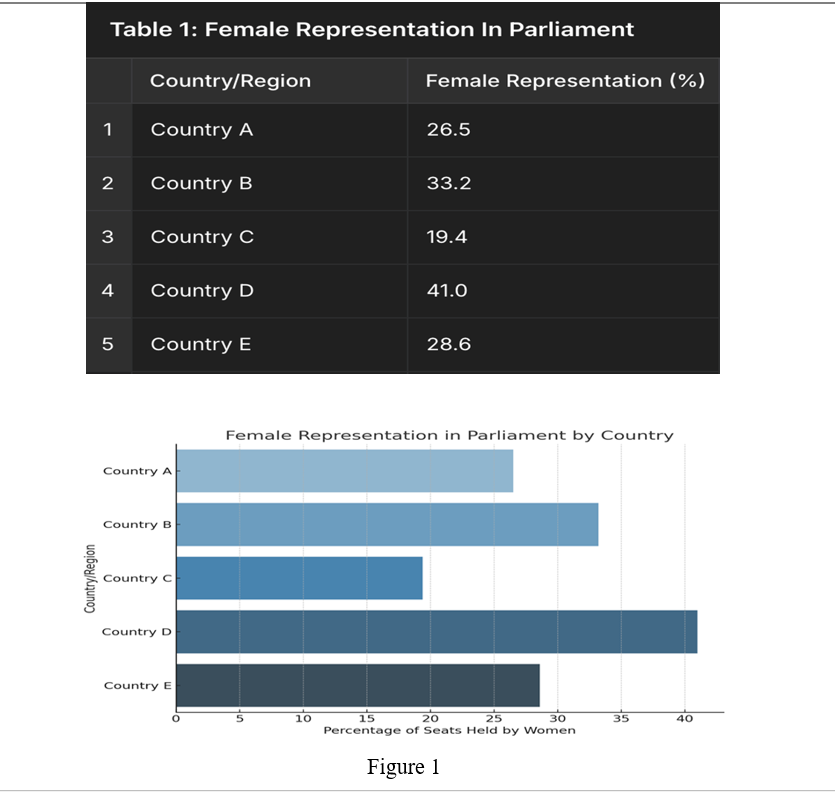
Figure 1
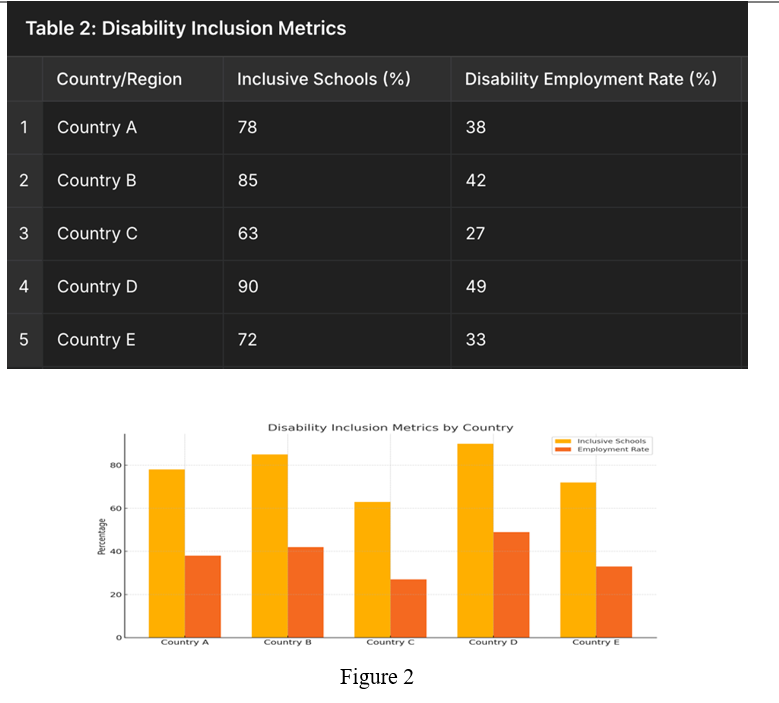
Figure 2